
Does Bacteriostatic Water Need Refrigeration? Storage Guide
Many people ask whether they should keep bacteriostatic water in the fridge after buying it or wait until the vial is opened. Because many injectable products need careful storage, it can feel like refrigeration is always required. But the instructions are not all the same, so handling depends on the specific item. You should rely on the approved labeling, not on general assumptions or those quick tips people mention online.

Introduction
For Bacteriostatic Water for Injection, environmental conditions are set to help the formulation stay stable during its labeled shelf life. Factors such as temperature control, light exposure, and how the vial is handled in day-to-day use all play a role in preserving the formulation. Some sterile pharmaceutical products require refrigeration; that doesn’t mean every sterile diluent needs it.
This overview is meant to clarify when chilling is actually recommended, when it might not be necessary, how temperature affects validation testing, and why the official label matters far more than myths and advice.
If you are still getting familiar with the basic properties and purpose of bacteriostatic water, What Is Bacteriostatic Water? The Complete Beginner’s Guide provides a broader overview before getting into specific storage considerations.
Quick Answer
Whether you should refrigerate bacteriostatic water is based on the approved instructions for handling, according to the approved labeling. Many of these products are designed to stay stable at a controlled room temperature, as long as you store them the right way. So don’t assume cold storage is needed unless the labeling or directions say, Refrigerate or give a specific temperature range that includes fridge storage. Also, good storage habits, careful use, and a quick routine look over before use are part of keeping the quality while it’s meant to be used.
Why refrigeration is a common question
Many people ask about refrigeration for injectable meds, vaccines, and other biological vials because products often need temperature control. So, it is easy to believe that every sterile solution should go in the refrigerator too. It feels logical, but it’s not always correct. Handling depends on the formulation, as well as the exact conditions that were used when it was proven stable in testing.
Bacteriostatic Water for Injection is a sterile diluent with its own approved preservation instructions. Those instructions come from pharmaceutical stability studies, not from the usual “informal guidance” people use for other injections. When you follow the labeling, you keep the formulation in the same situation it was evaluated, which plays an important role.
Why the confusion occurs
There are several reasons this misunderstanding keeps happening, especially around refrigeration.
- Many injectable medicines require refrigeration.
- Not every drug product is stored the same way; the requirements are different.
- Some online information provides general guidance, and it may not clearly separate sterile water from bacteriostatic water.
- People sometimes repeat broad storage advice instead of sticking to the approved labeling.
So, you should not assume chilled storage just because something is meant for injection.
Storage recommendations depend on the product
Product developers set storage conditions after stability testing, done before the sterile solution is released. Those studies examine whether the product remains stable under defined environmental conditions over time. Based on the results, the approved storage directions are placed into the product labeling.
Cold storage is only one part of proper storage, and it is the most visible factor. Thermal conditions are just one factor that affects medication stability. But other, quieter practices also matter quite a lot, even if they are often overlooked, like:
- Keep the vial in its original container.
- Protect it from excessive heat and direct sunlight.
- Avoid unnecessary temperature swings; it keeps getting warmed up and then cooled down.
- Store the vial following the approved instructions.
- Check the container before use.
When you think about all these things together, you end up with a more comprehensive approach to storage, instead of relying only on refrigeration.
What Manufacturer Labeling Says About Storage
The most reliable source for pharmaceutical guidance is the developer’s approved labeling. Each pharmaceutical product is evaluated under a specific, defined environment before market release, and those evaluations guide how the product is supposed to be stored during its labeled shelf life.
Instead of using the same storage method for every injectable, manufacturers usually give directions that match the formulation’s stability profile. When you follow those directions, it helps keep the product in the same environment where it was tested, and that is essential.
Storage Recommendations Come From Stability Studies
Before storage instructions are finalized, developers run stability studies to see how the formulation responds to various environmental conditions over time. These studies allow them to determine proper storage recommendations.
Depending on the product, the evaluation can include things like :
- Temperature
- Exposure to light
- Humidity levels
- How well the container closure system performs
- Physical and chemical stability
- Sterility, if it is maintained across the approved storage period
Then the findings get translated into the storage guidance that appears in the product labeling.
Why the Label Should Be Followed
Approved labeling is not just about where to put the vial. It also describes the circumstances under which the product was evaluated and intended for use. If the storage approach is different from what’s recommended, it may change the recommended conditions where the formulation was meant to remain stable.
For this reason, healthcare professionals tend to use manufacturer documentation rather than unofficial advice.
Key Point: Storage recommendations should always be taken from the official approved labeling rather than from the methods used for other medication.
Refrigeration Should Not Be Assumed
Some people put sterile pharmaceutical products into a refrigerator simply because they think colder temperatures are always safer, as a general protection. But refrigeration isn’t a protection. Not every product needs it, even if it feels logical.
If the label says controlled room temperature, then keeping the product in those normal conditions is usually the right choice. Also, if refrigeration is recommended for a specific vial, the instructions should be followed exactly.
How Temperature Affects Product Stability
Temperature plays an important role in keeping pharmaceutical products stable during their labeled shelf life. But intended characteristics are not just a matter of temperature alone. Pharmaceutical developers examine the formulation under controlled conditions to see how it changes over time and set storage instructions that are appropriate.
For Bacteriostatic Water for Injection, the aim is to keep the surroundings exactly as mentioned in the official labeling. If the vial stays inside that defined range, it can help preserve the characteristics that were checked during testing.
Controlled storage helps stability
Every pharmaceutical formula is made to stay stable within certain environmental boundaries. In validation testing, manufacturers check whether the product maintains the standards that were set while it sits under those same conditions.
The review can cover, for example :
- Physical appearance
- Chemical stability
- Sterility
- Container closure integrity
- Overall product quality
These checks support the final storage guidance you later see on the label.
Can Temperature Changes Affect Product Stability?
Extreme temperatures can affect pharmaceutical products in different ways. Too much heat, freezing, or even repeated temperature swings can expose the formulation to situations that were not part of the validation study.
Some real worries are :
- Being exposed to excessive heat
- Accidental freezing
- Frequent temperature changes in day-to-day transport
- Longer storage outside the recommended range
That is why storage conditions should stay as constant as possible through the product’s labeled shelf life.
Understanding the formulation can also make the storage discussion easier to follow, and What Is in Bacteriostatic Water? Ingredients Explained breaks down the ingredients and their respective roles.
Avoid Frequent Temperature Fluctuations
If you move a vial frequently between different environments, it can lead to unnecessary temperature fluctuation; you’re exposing it to unnecessary stress. A bit of handling during normal use is expected, but going back and forth between warm and cold conditions is usually not recommended unless the product label specifically states it’s acceptable.
Keeping the storage environment more consistent helps the product stay stable overall, and it also cuts down on extra environmental strain can be avoided.
Temperature Is Part of the Storage
Temperature gets a lot of attention, but it’s only one side of proper storage. The formulation quality also depends on other things, like:
- Following the approved storage instructions
- Keeping the vial shielded from direct sunlight
- Ensuring the container stays properly sealed
- Using good aseptic handling practices
- Checking the solution before each use
When you look at these points together, it becomes a fuller strategy than only relying on refrigeration.
Common Misconceptions About Refrigeration
Confusion about storage often comes from comparing different pharmaceutical products rather than reading the instructions for a specific formulation. For that reason, a few common myths continue to circulate.
Figuring out these misunderstandings can help readers make better choices based on approved guidance.
Myth 1: Every injectable product has to be refrigerated
Not every injectable product has the same handling requirements. Some are meant for chilled storage, but others are designed to be stored at controlled room temperature. It depends on the formulation, stability information, and the storage language in the package instructions.
For that reason, storage advice from one injectable product should not be treated as a universal rule for another.
Myth 2: Refrigeration always makes the product last longer
A frequent belief is that keeping a product at a colder temperature automatically prolongs its shelf life. Yet the labeled shelf life is defined by stability testing done under specific preservation.
If you use a storage method that does not match the manufacturer’s recommendations, it won’t extend the labeled shelf life and won’t replace the approved storage guidance.
Myth 3: Colder temperatures always provide better protection
Colder is not always better. Pharmaceutical formulations are assessed in particular environmental conditions; they differ from product to product.
Leaving a product outside its recommended storage range, whether it’s too warm or too cold, may expose it to conditions that were never tested in the manufacturer’s stability studies.
Myth 4: The Refrigerator Is the Best Place After Opening
So like, opening a vial does not mean it’s automatically supposed to go into the fridge. The right way to store it is still the one that matches what the manufacturer wrote on the label, unless there are specific, approved instructions that say otherwise.
Once it’s opened, proper handling, routine checking, and then putting it away in the proper storage setting are what help keep the vial quality stable while it’s meant to be used.
Storage is only one part of understanding the formulation; Why Is 0.9% Benzyl Alcohol Added to Bacteriostatic Water? explains why the preservative is included and what role it does and does not play.
When to Check the Product Before Use
Proper storage is not the only part of maintaining quality. Before each use, the vial should be visually inspected so you can confirm it appears unchanged as the manufacturer describes.
- Check for things like:
- Loss of clarity, or cloudiness
- Visible particles, or something floating around
- Changes in color
- Cracks or damage on the vial
- Leakage, or a closure that seems compromised
If you notice anything that feels unusual, it’s better to review the manufacturer’s labeling first.
Conclusion
Whether a product should be kept in a refrigerator depends on the storage environment set by the manufacturer—not on what people assume or on usual practices from other injectable products. Those suggestions come from stability studies, which look at how the formulation performs when exposed to defined environmental circumstances.
Keeping the recommended storage environment, handling the vial properly, and checking it before use all matter for keeping the product quality intact during its expected shelf life. Refrigeration should be used only when it’s explicitly listed as required in the approved labeling, not because it feels safer or seems customary.
Understanding the difference between product-specific storage guidance and common misconceptions helps readers reach decisions using dependable pharmaceutical information instead of conflicting advice found online.
What People Ask?
1. Does bacteriostatic water always have to be refrigerated?
Not always. Preservation needs depend on what the manufacturer states in the package instructions; the product may be suitable at controlled room temperature for a time, or it might require a colder setup. So, just stick to the storage instructions that come with your specific product; don’t rely on general ideas.
2. Can refrigeration extend the shelf life?
No, refrigeration doesn’t automatically make the labeled shelf life last longer. That expiration date gets set after validation testing under defined recommended conditions. So if you change the environment, it does not “extend” the shelf life that’s already been approved.
3. Is it safe to keep the vial at room temperature?
It depends on the labeling. If the approved instructions say controlled room-temperature storage, then you can keep it within that recommended range. Avoid letting it sit in excessive heat, don’t freeze it, and don’t use it in conditions outside the manufacturer’s guidance.
4. Should storage conditions change after the vial is opened?
Opening the vial doesn’t automatically change how it should be stored. Keep following the developer’s instructions, use good technique, and check the product before each use; visually inspect it as directed.
5. What should I do if the vial was accidentally exposed to extreme temperatures?
If the product was exposed to conditions beyond the recommended storage range, check the label’s guidance first. If the label doesn’t clearly address it, contact the manufacturer or pharmacist for next steps, because the decision can depend on how far out of range it was and for how long.
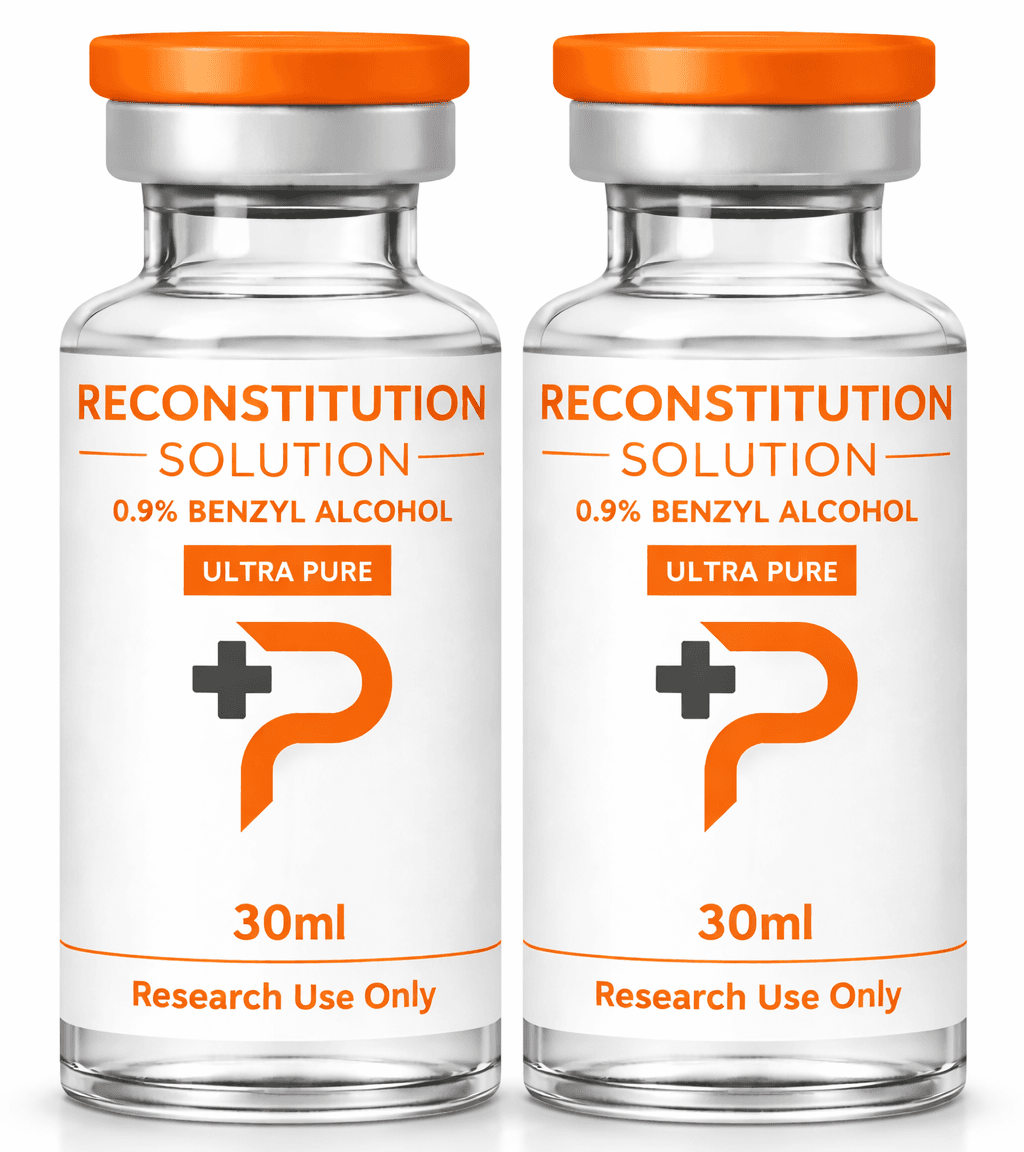
Reconstitution Solution 30 mL – Pack of 2
Manufactured with High-purity formulation. Batch quality controlled for consistent formulation quality. Laboratory Research Use Only.
View Product →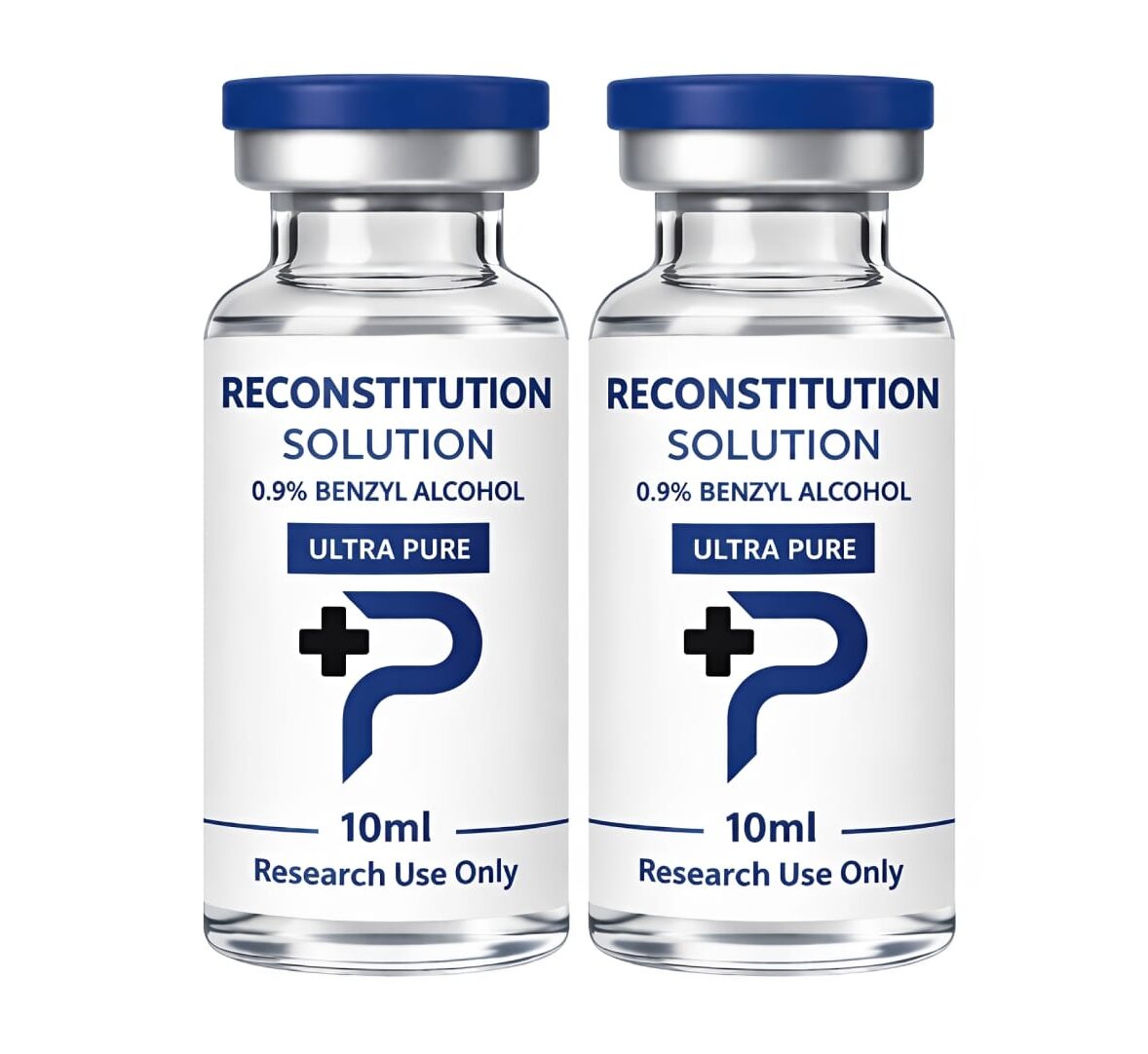
Reconstitution Solution 10 mL – Pack of 2
High-purity formulation manufactured using best-quality ingredients, sized for smaller-volume laboratory research applications. Laboratory Research Use Only.
View Product →
Bundle Deals
Curated bundles built from our Highly-Purified formulations, batch quality controlled for consistent formulation quality across every unit. Laboratory Research Use Only.
Explore Bundles →