
How Is Bacteriostatic Water Manufactured? Step-by-Step Process
If you’re trying to understand how bacteriostatic water is made, it helps to understand why this pharmaceutical-grade product shows up in clinics, hospitals, and labs. See, unlike everyday purified water, it undergoes a carefully controlled production process to meet those tough pharmaceutical standards and the related regulatory requirements.
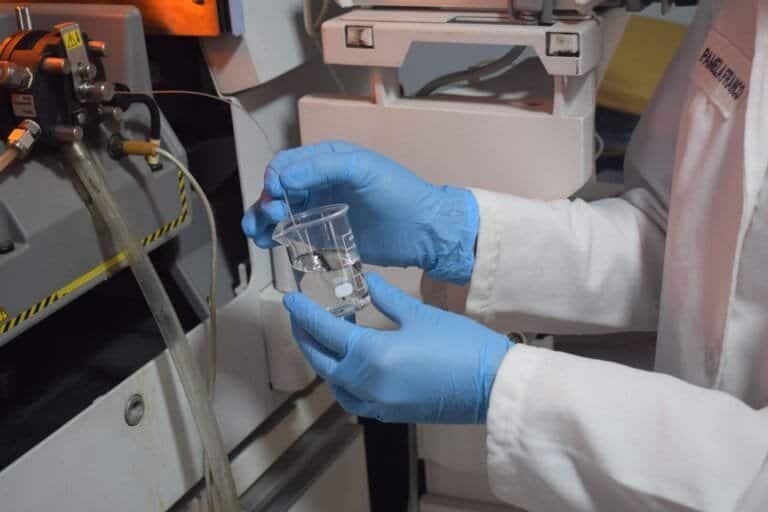
Introduction
In practice, from the beginning- water treatment, sterile filling, and packaging- everything is handled in reputable environments, so contamination remains low, and the quality stays consistent. In practice, that means from the start, water treatment, all the way to sterile filling and packaging, the work is done in reputable environments, so contamination is kept low and consistent quality is maintained.
Manufacturing methods may vary among pharmaceutical companies, but reputable manufacturing teams adhere to regulatory requirements, quality standards, and validated specification systems. The final product is manufactured for the medical processes described in the manufacturer’s labeling and should be handled in accordance with these instructions.
If you’re new to this, you might consider reading What Is Bacteriostatic Water? First, because it covers the purpose before you dive into production.
Quick Answer
Bacteriostatic water production starts with purifying water for injection, adding a small amount of benzyl alcohol as a preservative, before sterilizing the solution. The liquid is filled into sterile multi-dose vials with aseptic techniques; it undergoes extensive quality evaluation before it’s finally ready for distribution.
Key Takeaways
- Manufactured using pharmaceutical-grade purified water.
- Includes benzyl alcohol as a preservative.
- Built inside controlled cleanroom environments, with careful air management.
- Filled into sterile multi-dose containers via an aseptic process, with no contact with unclean surfaces.
- Each batch undergoes extensive quality testing.
- The manufacturer team works under USP rules and other regulatory standards.
- The packaging is designed to protect the product’s integrity during both storage and distribution.
Tables Of Content
- What Is Bacteriostatic Water?
- Why Manufacturing Standards Matter
- Raw Materials Used During Production
- Water Purification Process
- Adding the Preservative
- Sterile Filtration and Sterilization
- Aseptic Filling Into Multi-Dose Vials
- Quality Control Testing
- Packaging and Labeling
- Common Manufacturing Challenges
What Is Bacteriostatic Water?
Bacteriostatic Water for Injection is a sterile pharmaceutical preparation manufactured under controlled conditions to meet established quality requirements. Unlike a simple water-based solution, its production involves multiple validated steps, including preparation of the sterile base, formulation, filling, and quality verification. This article focuses on the manufacturing process behind the product, from initial materials to final packaging, rather than its ingredients or applications.
Why Manufacturing Standards Matter
Producing sterile injectable products needs much higher standards than just producing drinking water or laboratory-grade purified water.
Since these products are intended for use in healthcare environments, the manufacturers implement several safeguards during production, including:
- Pharmaceutical-grade raw materials
- Controlled cleanroom environments
- Validated manufacturing procedures
- Continuous environmental monitoring
- Sterility assurance programs
- Batch documentation
- Product testing before release
These actions together reduce the risk of contamination while ensuring that each production batch meets the predefined specifications.
Healthcare professionals rely on these specification systems because injectable products require consistent manufacturing and rigorous quality control.
Raw Materials Used During Production
The manufacturing process starts with carefully selected pharmaceutical-grade ingredients.
The primary ingredient is water for injection. It is produced using specialized purification systems designed to remove dissolved minerals, organic contaminants, and microorganisms. It also targets endotoxins and even particulate matter, not just the obvious stuff.
Benzyl Alcohol
During preparation, a measured amount of benzyl alcohol is added. It is used as a pause button for microbes, but only when the right conditions are followed. Production facilities carefully control the concentration throughout production so the product stays consistent from lot to lot, more or less.
In bacteriostatic water, Sterile Water for Injection, USP is combined with 0.9% benzyl alcohol to create the final formulation. If you’d like a complete breakdown of every component, see our guide on what is in bacteriostatic water.
Sterile Glass Vials
The finished solution is packed into pharmaceutical-grade glass vials. Before filling, these vials undergo cleaning and sterilization steps. These containers are meant to:
- Keep sterility intact
- Limit chemical interaction
- Preserve the stability of the solution
- Enable multi-dose use in line with what the label says.
In the same workflow, the rubber stoppers and aluminum seals are produced to pharmaceutical standards, then sterilized before assembly to help maintain product quality.
Water Purification Process
Purification is one of the most critical stages in making bacteriostatic water. Before any preservatives are added, the starting water goes through multiple treatment systems. These systems remove impurities while still meeting the required pharmaceutical specifications. Even though manufacturing setups can vary between facilities, purification typically includes several validated stages.
Pretreatment
Incoming water is treated first so that contaminants that might mess with later purification gear get reduced early. Pretreatment can include things like sediment filtration, activated carbon filtration, water softening, and dechlorination. These initial steps help keep the downstream purification units from getting overloaded or swamped fast.
Reverse Osmosis
Many pharmaceutical sites rely on reverse osmosis for removing dissolved substances. Simply, the method pushes water through specialized membranes, where water molecules are separated from dissolved contaminants.
- Salts
- Heavy metals
- Organic compounds
- Microbial contaminants
Additional treatment steps are still required before the water can be treated as water for injection.
Final Water for Injection Production
Depending on the facility design and what regulators expect, companies may make WFI using things like:
- Distillation
- Membrane-based purification systems
- Combined purification processes
No matter which approach is used, every system must deliver water that consistently matches the established pharmaceutical specifications for injectable products.
Adding the Preservative
This step requires precise control and validated manufacturing equipment.
Instead, they rely on validated equipment that accurately measures ingredient quantities while also keeping contamination risks as low as possible.
During this phase, multiple parameters are followed
- Ingredient identity
- Mixing time
- Temperature
- Solution uniformity
- Batch documentation
Then each batch gets detailed records; those pages document every step that happened in production.
The preservative doesn’t improve the medication or change its therapeutic properties. Instead, it supports the overall formulation while bacteriostatic water serves as a sterile diluent for specific pharmaceutical products. Learn more about what bacteriostatic water is used for in different pharmaceutical settings.
Sterile Filtration and Sterilization
Before filling, the solution undergoes processing to help maintain sterility.
Pharmaceutical companies frequently use sterile filtration systems made specifically for pharmaceutical use.
These special filters remove microorganisms while preserving the solution’s chemical character.
After filtration, manufacturers may perform validated sterilization procedures, depending on the exact process and the product requirements.
Aseptic Filling Into Multi-Dose Vials
After the solution has been prepared and processed, it moves into the dispensing stage. This part happens in cleanroom environments, where strict environmental monitoring helps maintain appropriate monitored environments.
Automated aseptic filling systems dispense a set quantity of solution into pre-sterilized glass vials. While the filling is happening, manufacturers carefully control air quality, ensure the equipment is running correctly, and confirm the container stays in place to reduce the likelihood of contamination.
Once the vials are filled, they are closed with sterile rubber stoppers and are locked in place using aluminum seals. The faster the sealing, the less time there is for exposure to the surrounding environment, which helps maintain sterility until the moment the product is opened for use.
Many production lines depend on automated inspection systems to notice problems before packaging. If any container shows visible particles or has a compromised seal, it is eliminated from the production stream before it can proceed; this helps keep the overall output consistent.
Quality Control & Batch Testing
After the vials are sealed, production continues. Each production batch goes through extensive laboratory testing before it is released for distribution.
Quality control checks that the final product aligns with predetermined specifications and pharmaceutical standards.
Common assessments include:
- Sterility testing
- Endotoxin testing
- Benzyl alcohol concentration
- pH verification
- Visual checks for particles
- Container closure integrity
- Fill volume verification
Testing is carried out with validated analytical methods. If a batch fails to meet established acceptance criteria, it is investigated first and may be rejected rather than being released.
Documentation and Regulatory Compliance
Pharmaceutical manufacturing relies on detailed documentation as much as it does on specialized equipment.
Every step of production is documented, including raw material verification, equipment calibration, environmental monitoring, manufacturing parameters, laboratory results, and packaging records.
These documents provide traceability for each batch and also help with regulatory inspections, because they usually do.
The manufacturer team also follows current Good Manufacturing Practice (cGMP) requirements. These set expectations cover production controls, quality systems, personnel training, sanitation schedules, and facility maintenance. When companies comply with cGMP, products are more likely to be made and in line with the approved procedures that were signed off.
Packaging and Product Labeling
After laboratory testing is complete and the batch is approved, it moves into packaging, where the presentation starts.
Packaging has several functions. It helps guard the product during transportation, provides identification details, and communicates handling information.
Common labels usually include:
- Product name
- Ingredient details
- Preservative concentration
- Batch number
- Expiration date
- Storage recommendations
- Manufacturer info
The outer cartons may include handling instructions, warnings, and other information consistent with the manufacturer’s approved labeling.
If you’re looking for answers to questions about expiration dates, you can check our guide, “Does Bacteriostatic Water Expire?” And if you want the storage side, we cover that separately in How to Store Bacteriostatic Water Properly.
Common Manufacturing Difficulties
Making sterile injectable products means overseeing many moving parts. Even minor stage deviations can affect product standards, which is why manufacturers monitor the important processes almost constantly.
Some typical pain points are:
- Maintaining cleanroom environmental conditions
- Reducing the risk of microbial contamination
- Keeping preservative concentration consistent
- Confirming equipment performance
- Managing particulate contamination
- Keeping dependable water purification systems
- Safeguarding container closure integrity
To handle these issues, manufacturers rely on preventive maintenance, ongoing environmental surveillance, employee training, process validation, and routine quality reviews.
Conclusion
Understanding how a pharmaceutical product is produced gives useful insight into the quality systems behind sterile pharmaceutical products. From preparing water for injection to aseptic filling, laboratory testing, and finally packaging, each stage is carefully managed to support consistent performance and sterility.
Even though production approaches differ among pharmaceutical companies, reputable producers still use validated processes and quality assurance programs to meet regulatory expectations. These safeguards are meant to help ensure every batch meets established specifications before it reaches healthcare settings.
If you want to keep expanding your understanding, explore our related guides on ingredients, storage, shelf life, sterility, and comparisons with other sterile diluents.
What People Ask?
1. What ingredients are used to manufacture bacteriostatic water?
The formulation is simple. It includes purified water and a preservative. Both components satisfy the relevant quality requirements before they ever enter production.
2. Is bacteriostatic water manufactured in sterile conditions?
Yes, it is. Manufacturing occurs in controlled pharmaceutical facilities, in cleanrooms, with validated equipment to minimize contamination throughout the manufacturing process.
3. How do manufacturers confirm product quality?
Every production batch undergoes laboratory testing, which may include sterility, endotoxins, benzyl alcohol concentration, pH, visual appearance, and container integrity assessments.
4. Is the manufacturing process regulated?
Yes. Manufacturers are expected to comply with current Good Manufacturing Practice while using validated production steps and maintaining quality systems.
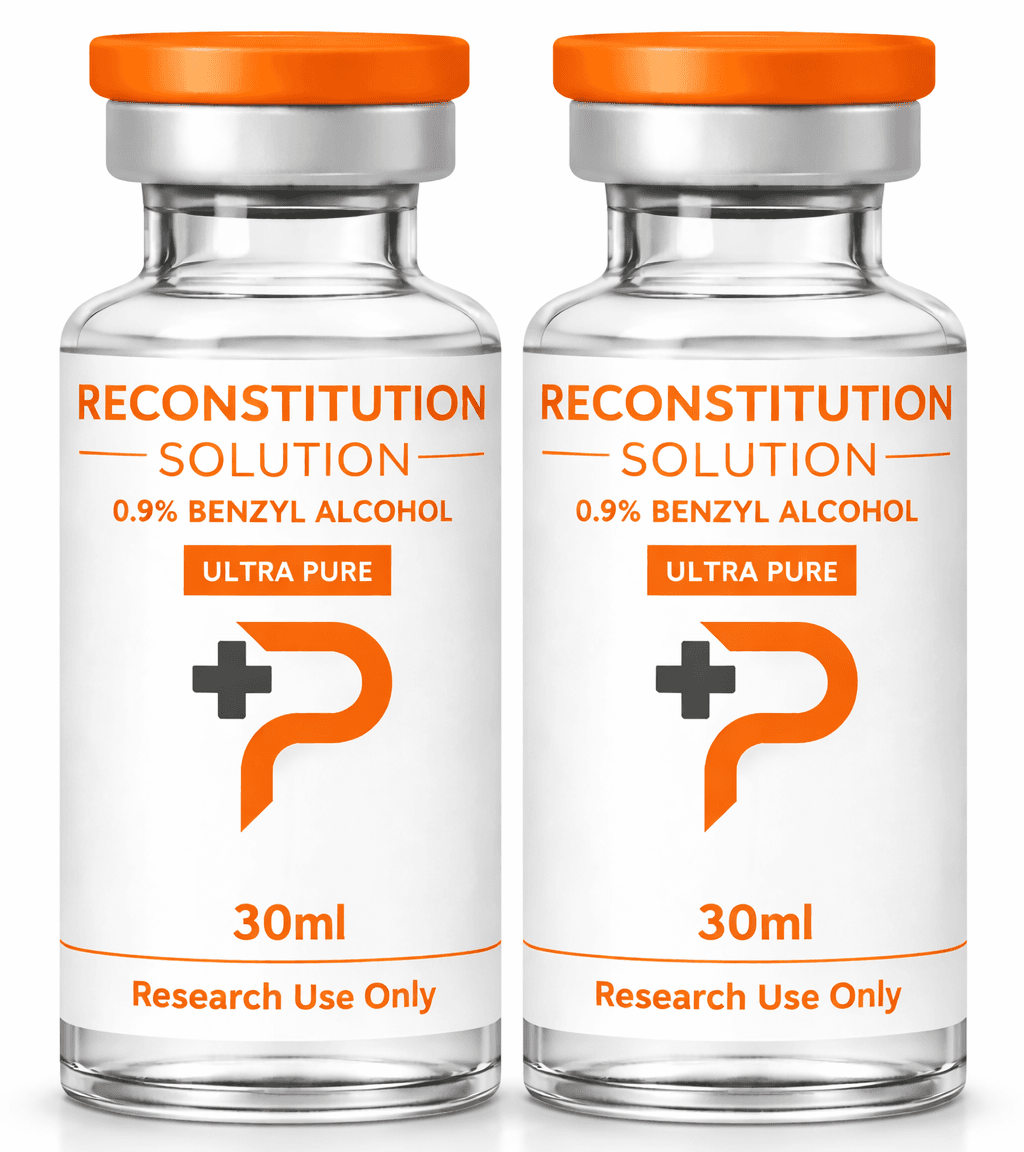
Reconstitution Solution 30 mL – Pack of 2
Manufactured with High-purity formulation. Batch quality controlled for consistent formulation quality. Laboratory Research Use Only.
View Product →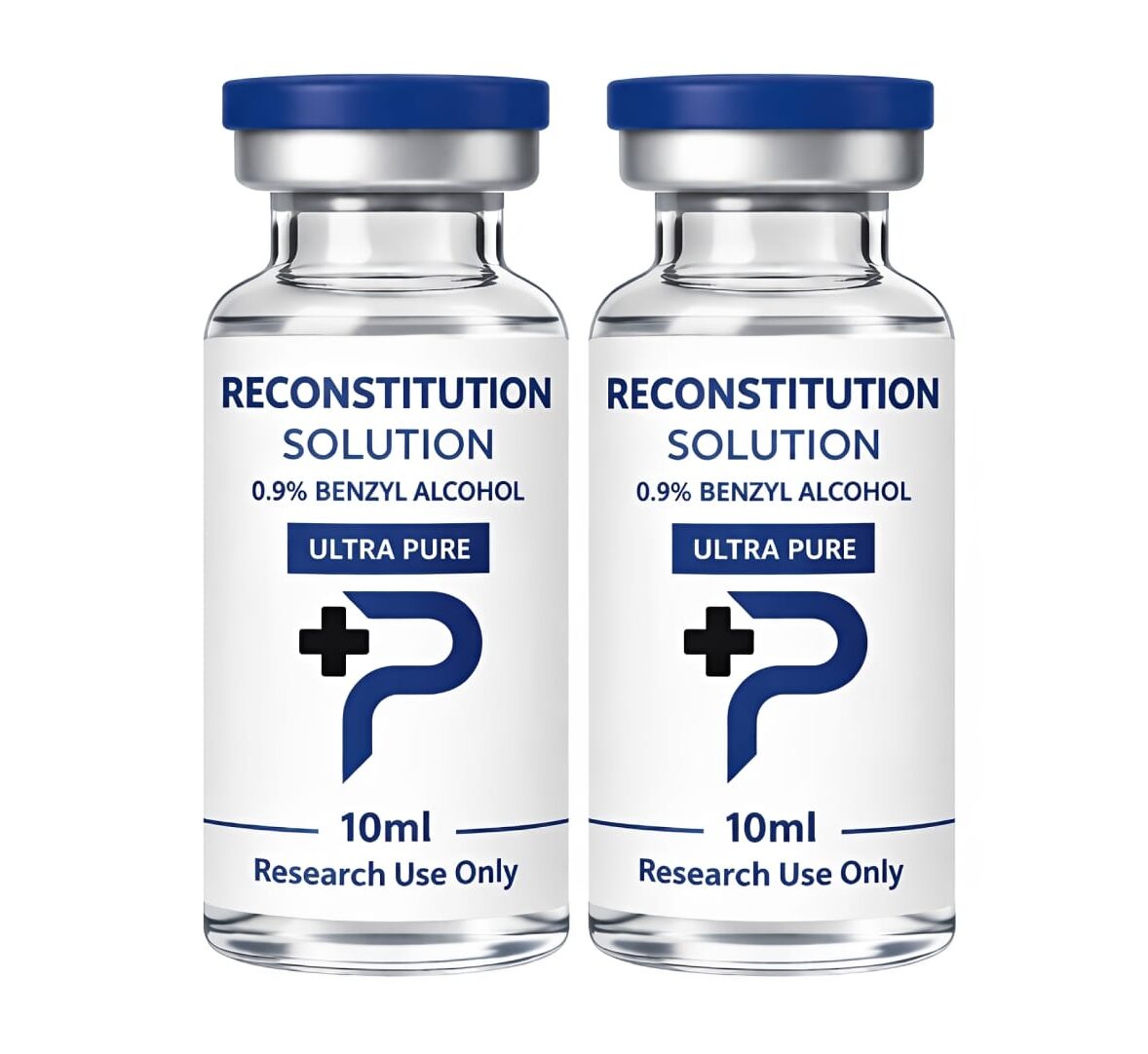
Reconstitution Solution 10 mL – Pack of 2
High-purity formulation manufactured using best-quality ingredients, sized for smaller-volume laboratory research applications. Laboratory Research Use Only.
View Product →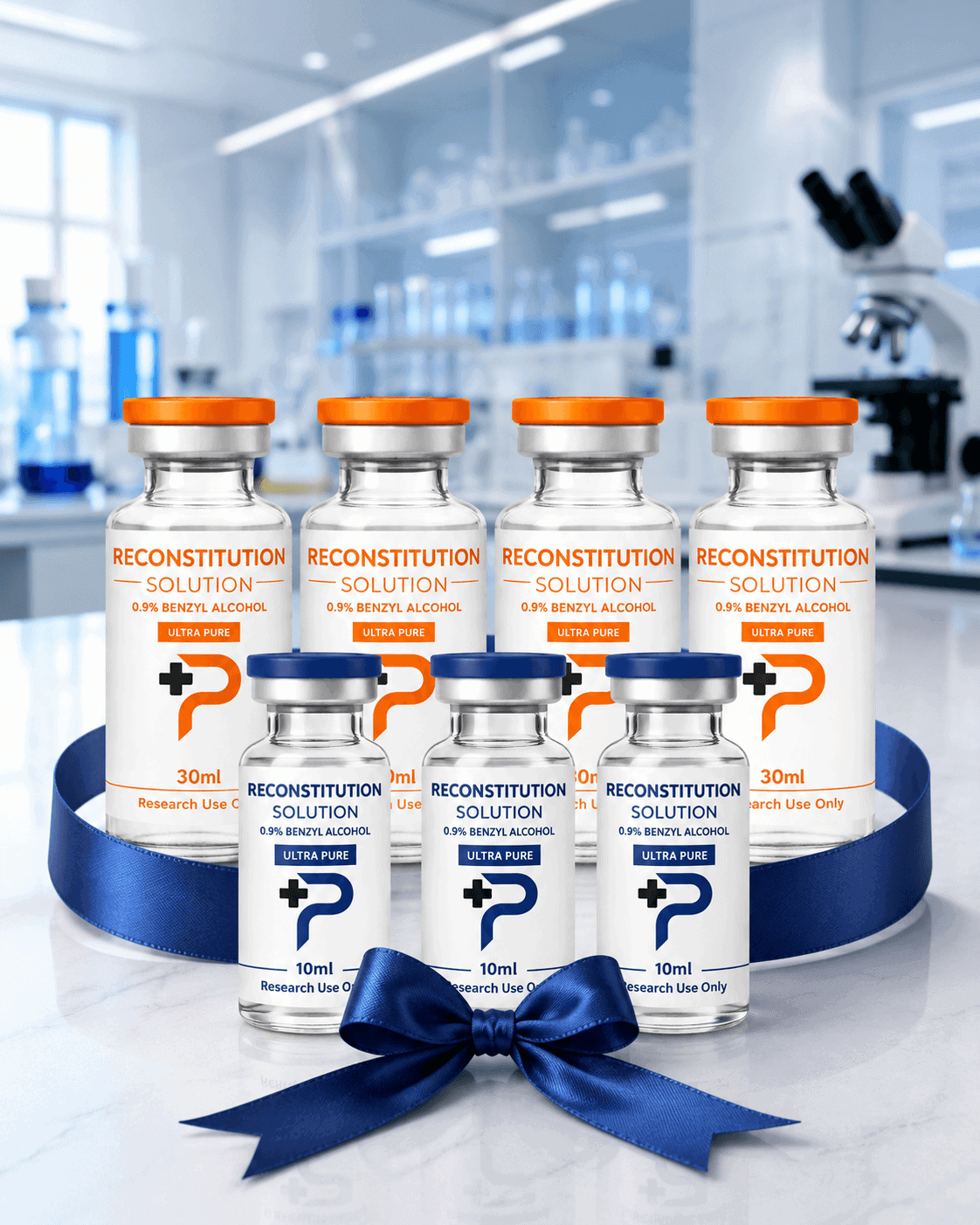
Bundle Deals
Curated bundles built from our Highly-Purified formulations, batch quality controlled for consistent formulation quality across every unit. Laboratory Research Use Only.
Explore Bundles →