
The History and Development of Bacteriostatic Water
Bacteriostatic water reflects decades of progress in sterile products, sterile manufacturing, and injection safety. Rather than resulting from a breakthrough, it evolved gradually as healthcare systems sought safer and more practical ways to get injectable medications ready, especially in situations where repeated access was needed.
Introduction
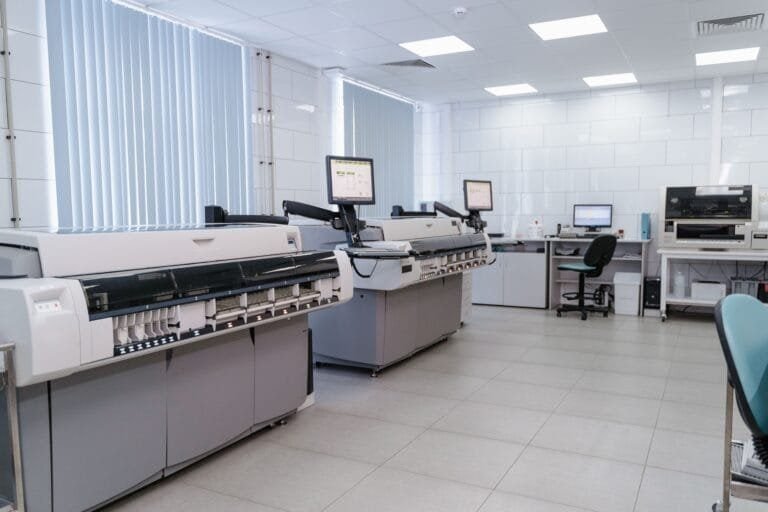
In the early days of injectable medicine, maintaining sterility once a vial had been opened was a daily struggle. Later on, as treatments became more complex and multi-dose products became increasingly common, manufacturers started developing specific formulations. They aimed to help with multiple withdrawals while still matching ordinary pharmaceutical quality expectations.
Over time, improvements in sterile production, preservative technology, packaging design, and strict regulatory supervision ended up steering the formulation that is used today. Those changes helped settle more consistent production practices and quality rules for products that are intended for specific pharmaceutical uses rather than general handling.
If you look at it historically, it becomes less mysterious why modern bacteriostatic water is produced in that particular way, why preservatives became part of certain formulations, and how current medical standards guide product development.
To better understand why benzyl alcohol is added to bacteriostatic water, it’s helpful to first look at how preservatives became part of pharmaceutical formulations.
Quick Answer
The history of bacteriostatic water began with improvements in sterile healthcare preparation and growing demand for injectable products that could be used multiple times under controlled conditions. As production practices changed, preservative know-how improved, and as pharmaceutical regulations kept evolving, what we use today became a standardized sterile diluent made for certain uses that are spelled out in the manufacturer’s prescribing information.
If you’re unfamiliar with the role these products play today, our guide on what bacteriostatic water is used for explains where sterile diluents are commonly encountered.
Key Takeaways
- Injectable medicine has been changing for decades.
- Early sterile preparation created real difficulties.
- Multi-dose containers helped shape the formulation.
- Preservatives became crucial for select pharmaceutical products.
- Manufacturing standards got stronger, so product consistency improved.
- Regulatory organizations helped set expectations for quality.
- Modern formulations reflect ongoing scientific progress.
Tables Of Content
- Early Injectable Medicine Before Bacteriostatic Water
- The Need for Better Sterile Diluents
- The Introduction of Multi-Dose Vials
- Why Preservatives Became Important
- How Pharmaceutical Standards Shaped Development
- Modern Manufacturing and Quality Improvements
- Current Uses in Healthcare and Research
- Conclusion
Early Injectable Medicine Before the Development of Bacteriostatic Water
Long before bacteriostatic water was introduced as a regular part of modern pharmaceutical practice, injectable medications had already played an important role in healthcare. By delivering medicines directly into the body, injections delivered benefits that oral treatments cannot always manage. Still, getting these products safely was tricky, especially when sterility had to be kept intact after a container was opened and then used again.
In the late nineteenth and early twentieth centuries, progress in microbiology contributed significantly to making injectable therapies safer. Researchers and clinical staff started to grasp better how microorganisms can enter medicines during handling and storage. With that insight, manufacturing became stricter, and sterilization methods became more dependable.
Back then, plenty of injectable products were essentially “made for the spot,” meaning they were expected to be used right away. After opening, containers were usually not meant to remain active for repeated withdrawals because maintaining sterility between uses was challenging, or in practice, almost impossible. As healthcare grew and injectable therapies became more common, that drawback became clearer, and it pushed the field toward production methods that were both safer and more practical.
As the use of injectable medications rose, demand for dependable sterile diluents. Hospitals and clinics needed products made under consistent pharmaceutical standards, rather than relying on a local mixture prepared on site. That change helped pave the way toward sterile water formulations specifically for pharmaceutical use.
So while bacteriostatic water has not yet developed, those early improvements still established many of the principles we rely on now in sterile production, careful manufacturing, and controlling contamination in the first place.
Learn what is in bacteriostatic water and how each ingredient contributes to the formulation.
The Growing Need for Safer Sterile Diluents
As hospitals, pharmacies, and research laboratories increasingly relied on injectable medications, the process of preparing those solutions became complicated. Many of these medicines needed dilution before they were given, so sterile diluents became an essential part of medical preparation.
At first, maintaining product consistency across different healthcare settings wasn’t always that easy. Small differences in how solutions were prepared, handled during use, and stored could affect formulation consistency and quality. Because of that, manufacturers began to move toward standardized sterile solutions made under controlled pharmaceutical conditions.
Another important development came from the expansion of large-scale medical manufacturing. Instead of making every solution locally, manufacturing teams were able to produce sterile products using validated processes, then distribute them with more consistent specifications to many healthcare facilities.
Meanwhile, packaging technology also improved, which helped protect sterile products during transport and storage. Container design upgrades reduced the chances of contamination before the product ever reached healthcare professionals.
All of these changes slowly reshaped what people expected from injectable products. It wasn’t only about sterility at the moment of manufacture. Pharmaceutical science placed greater emphasis on maintaining consistency across the product’s intended lifecycle.
That increased focus on standardization eventually supported the development of preservative-containing sterile diluents for specific pharmaceutical applications.
The Introduction of Multi-Dose Vials
As healthcare systems expanded through the twentieth century, the demand for injectable medicines grew steadily. Hospitals and clinics often had to prepare the same medication for several people or give repeated doses in a short timeframe. Using a distinct container for each preparation could work in a few cases, but it was not always the best and fastest method. So, manufacturers developed multi-dose vials that allow withdrawal more than one time from the same container.
Once these containers became common, they helped workflow in healthcare environments, but they also brought in a bunch of new challenges. Every time someone accessed a vial, there was a risk of contamination if handling practices weren’t followed in a careful, consistent way. Because of that, manufacturers needed packaging and design solutions that could support repeated use while still maintaining the solution stable and safe during the full labeled period.
This evolution of multi-dose packaging didn’t only affect container design. It also sparked more research into formulation science, preservative systems, and manufacturing routines that could support medicines intended for multiple withdrawals. In the end, these developments helped pave the way for specialized sterile diluents tailored to specific pharmaceutical uses.
Why Preservatives Became Part of Pharmaceutical Formulations
As multi-dose packaging became more widely used, pharmaceutical scientists started looking for ways to maintain formulation performance during repeated use, not just the first time. So some formulations included preservatives where they matched the product purpose.
That change did not appear to occur overnight. It came from years of pharmaceutical research, lab testing, and regulatory review. Manufacturers had to carefully judge which formulations could include a preservative while still maintaining safety and stability and agreeing on the intended application.
One preservative that became part of a specific sterile formulation was benzyl alcohol. In approved formulations, it could provide a bacteriostatic preservative effect that helped with the labeled use of certain multi-dose preparations. The choice came from scientific evaluation, and not from convenience, and it gradually became part of standardized sterile formulations where it fit best.
Even then, manufacturers understood that preservatives were only one piece of a larger quality system. Sterile production, validated manufacturing processes, and proper handling remained equally important for maintaining product integrity.
Taken together, these changes marked a meaningful milestone in how injectable pharmaceutical products evolved. Instead of relying on only a single improvement, the industry combined progress across formulation science, packaging technology, and manufacturing practices to make more consistent products for healthcare settings.
How Pharmaceutical Standards Shaped Modern Development
As injectable medicines started getting used more often, manufacturers and regulators realized they needed more consistent production standards. When the requirements weren’t clear, solutions made in different places could end up with slightly different compliance, and then it became harder to make sure the pharmaceutical preparation was actually dependable each time.
Groups like the United States Pharmacopeia (USP) played a role in setting out familiar benchmarks for medical ingredients and sterile products too. Later on, regulatory agencies, including the U.S. Food and Drug Administration (FDA), started to tighten oversight by adding more expectations around manufacturing, testing, written records, and quality assurance.
Those expectations ended up touching basically every step of product development, from choosing starting materials to checking or validating the production process itself. In general, manufacturers were expected to show that their preparation stayed within the approved specifications steadily before it could be released for distribution.
And as scientists kept moving forward, sterile regulations also kept changing, more or less along with new technologies. With improved analytical methods, better manufacturing equipment, and more robust quality systems, manufacturers could make sterile products with a steadier performance than what was possible in earlier decades.
Now, these same standards still steer the production of bacteriostatic water, along with many other injectable pharmaceutical products, which helps keep confidence up regarding quality and overall dependability.
Modern Bacteriostatic Water Today
The bacteriostatic water available today reflects more than a century of progress in pharmaceutical science. While the core formulation remains straightforward, the ways used to make, test, and package.
Modern manufacturing sites rely on automated production setups, laboratory testing that’s more advanced, and broader quality management programs, all to maintain results consistency. Digital monitoring, better container technology, and more careful documentation have also improved manufacturing reliability.
Current practice also emphasizes traceability. Each production batch gets identifying information that helps manufacturers follow materials, manufacturing records, lab results, and even distribution history if ever needed.
Even if technology continues to evolve, the main objective remains unchanged: making a sterile pharmaceutical product that meets the established quality standards for its intended use.
Looking ahead, future developments are expected to focus more on manufacturing efficiency, improved sustainability, smarter production technologies, and continuing refinements to pharmaceutical quality systems—less on any major changes to the formulation itself.
Conclusion
The history of bacteriostatic water shows how healthcare solutions move forward through steady scientific progress, not because of a single breakthrough. Looking back, there were early problems with making injectable medicines, then later came packaging and today’s regulatory standards, and every step contributed to the development of the formulation that is used now.
Instead of treating this as one lone innovation, the history represents a chain of improvements in manufacturing, medical research, packaging technology, and performance oversight. Put together, these changes have supported steady production routines for products designed for particular healthcare needs.
Learning about how it developed over time also gives useful background for related topics, like manufacturing approaches, what the product is made from, storage suggestions, and the performance standards that still influence sterile preparations today.
What People Ask?
1. Why was bacteriostatic water developed?
Bacteriostatic water was created so it could help certain healthcare formulations that required repeated entry into the same vial and multiple withdrawals. As injectable medications kept getting more popular, manufacturers started looking at formulations that could accommodate multi-dose use while still satisfying the established quality and safety requirements from the industry.
2. When did preservatives begin appearing in injectable pharmaceutical products?
Preservatives were gradually introduced as pharmaceutical science progressed across the twentieth century. The move toward wider use happened only after extensive evaluation, which included formulation trials and regulatory checks, to figure out where preservatives were actually appropriate for particular sterile products.
3. How have pharmaceutical standards changed since bacteriostatic water was first introduced?
Overall manufacturing expectations became significantly more rigorous as time passed. Today, production typically involves validated manufacturing steps, quality systems that are documented, lab testing, and ongoing regulatory control. Back in the early days, those parts were simply far less developed, and people didn’t always have the same level of oversight.
4. Has the formulation of bacteriostatic water changed over the years?
It has stayed the same, at least in a broad sense. But the way it’s made has evolved, like improvements in manufacturing technology, packaging approaches, and quality assurance systems. In general, most development has focused on making production more dependable, not on swapping out the formulation itself.
5. Why is the history of bacteriostatic water important today?
Because knowing the history helps you understand the relationship between earlier progress in pharmaceutical research, sterile manufacturing routines, and the way regulatory standards grew stronger. It also gives useful background for the modern way people handle injectable manufacturing preparations, including today’s expectations for safety and consistency.
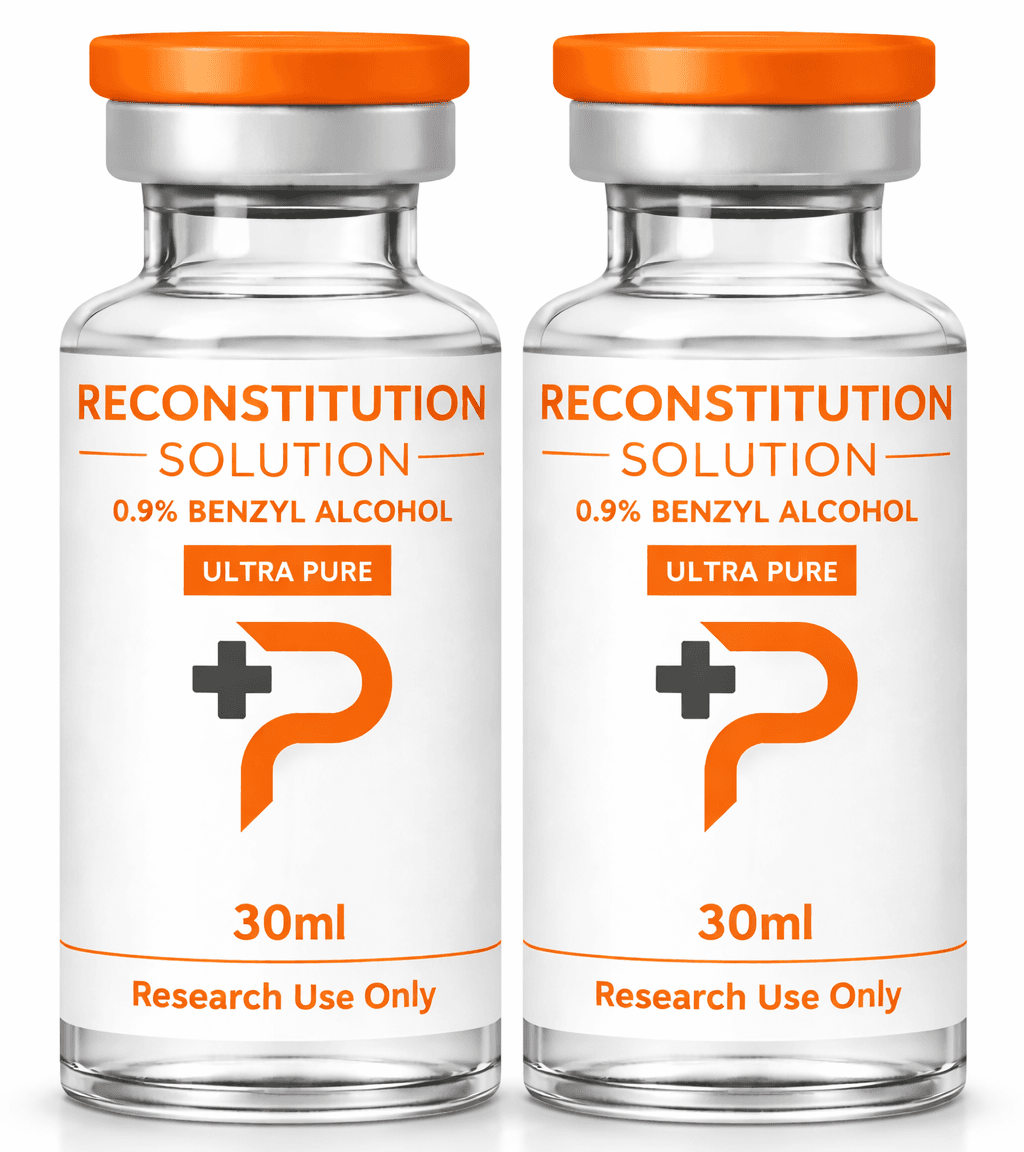
Reconstitution Solution 30 mL – Pack of 2
Manufactured with High-purity formulation. Batch quality controlled for consistent formulation quality. Laboratory Research Use Only.
View Product →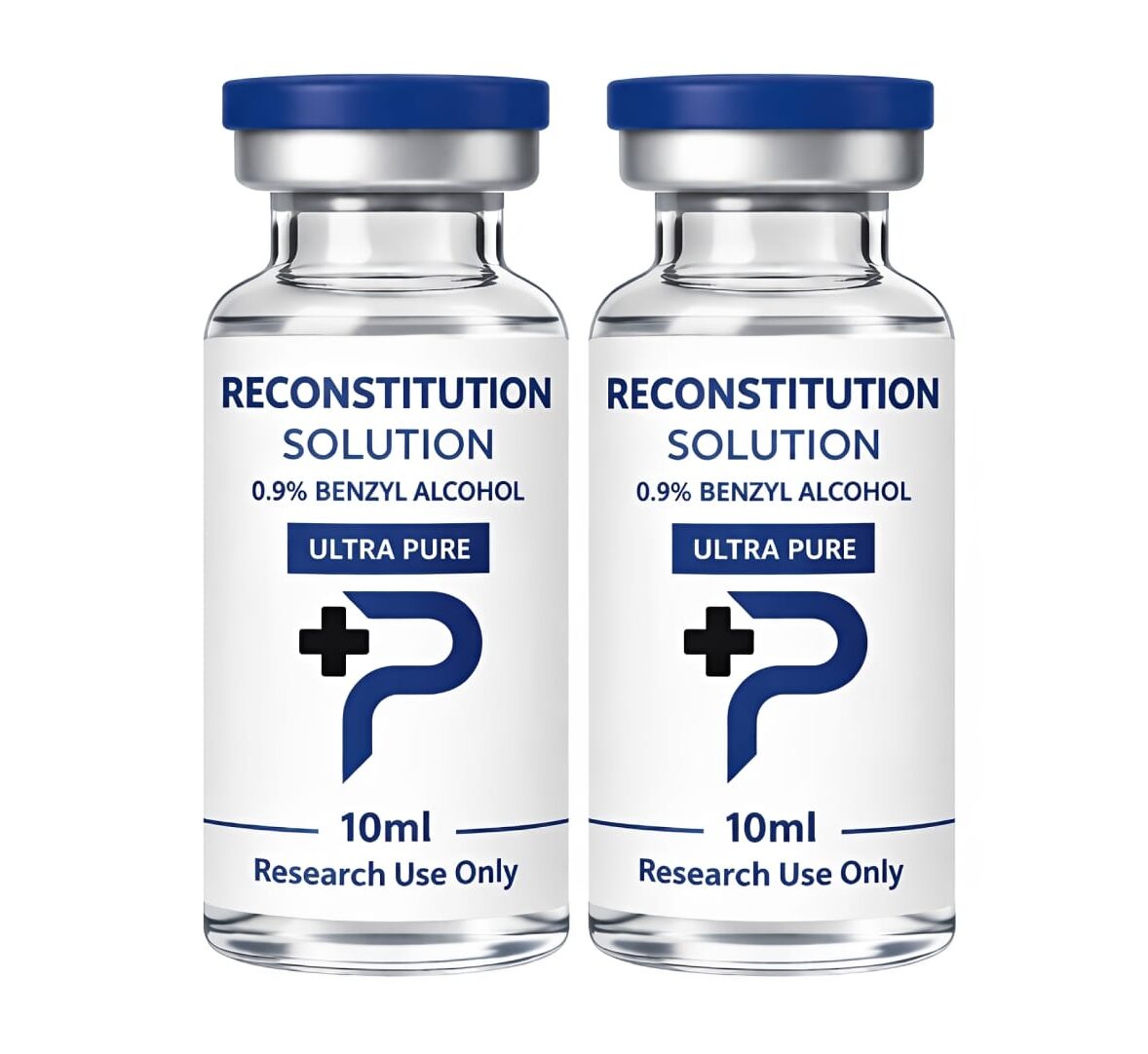
Reconstitution Solution 10 mL – Pack of 2
High-purity formulation manufactured using best-quality ingredients, sized for smaller-volume laboratory research applications. Laboratory Research Use Only.
View Product →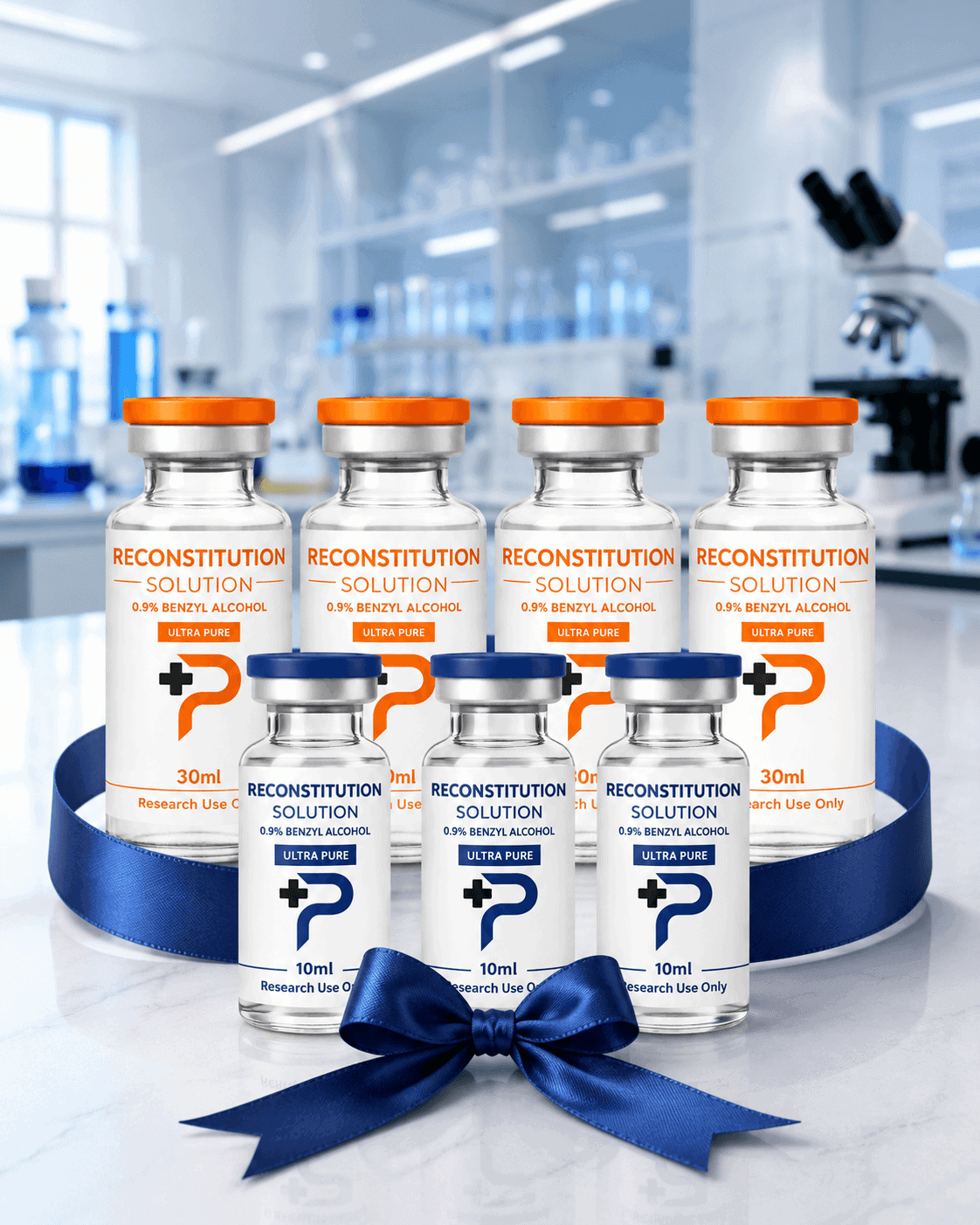
Bundle Deals
Curated bundles built from our Highly-Purified formulations, batch quality controlled for consistent formulation quality across every unit. Laboratory Research Use Only.
Explore Bundles →